
Garfield County Sex Offender Checks
The Utah Sex, Kidnap, and Child Abuse Offender Registry is the official public starting point. Utah Department of Public Safety administers the system under Utah Code chapter 53-29. The public site is not a Garfield County list built by the sheriff. It is a state notification source that draws on registration data collected through the office responsible for each registrant. Search the Utah registry first for a person or ZIP connected to Garfield County, and compare all visible identifiers before treating a result as a match.
The second official layer is local. People supervised by Utah Adult Probation and Parole report to AP&P. Other registrants generally report to the sheriff or police agency with jurisdiction. In Garfield County, the sheriff maintains an appointment-based registry desk in Panguitch. That desk handles registration and suspected noncompliance, but the research found no separate public county map, alert service, or downloadable offender list. A public lookup therefore runs through Utah's notification site rather than an invented local search tool.
Garfield County Registry Appointments
The Garfield County Sheriff's registration desk is at 375 North 700 West in Panguitch. Registration business is handled on weekdays from 9 a.m. to 5 p.m. by appointment. The direct research contact is Tom at 435-676-1126. Call before traveling, especially from Escalante or Tropic, because the county covers a large rural area and an appointment is required.
The Utah Department of Corrections contact directory distinguishes state supervision contacts from local sheriff registration and preserves the official contact route.
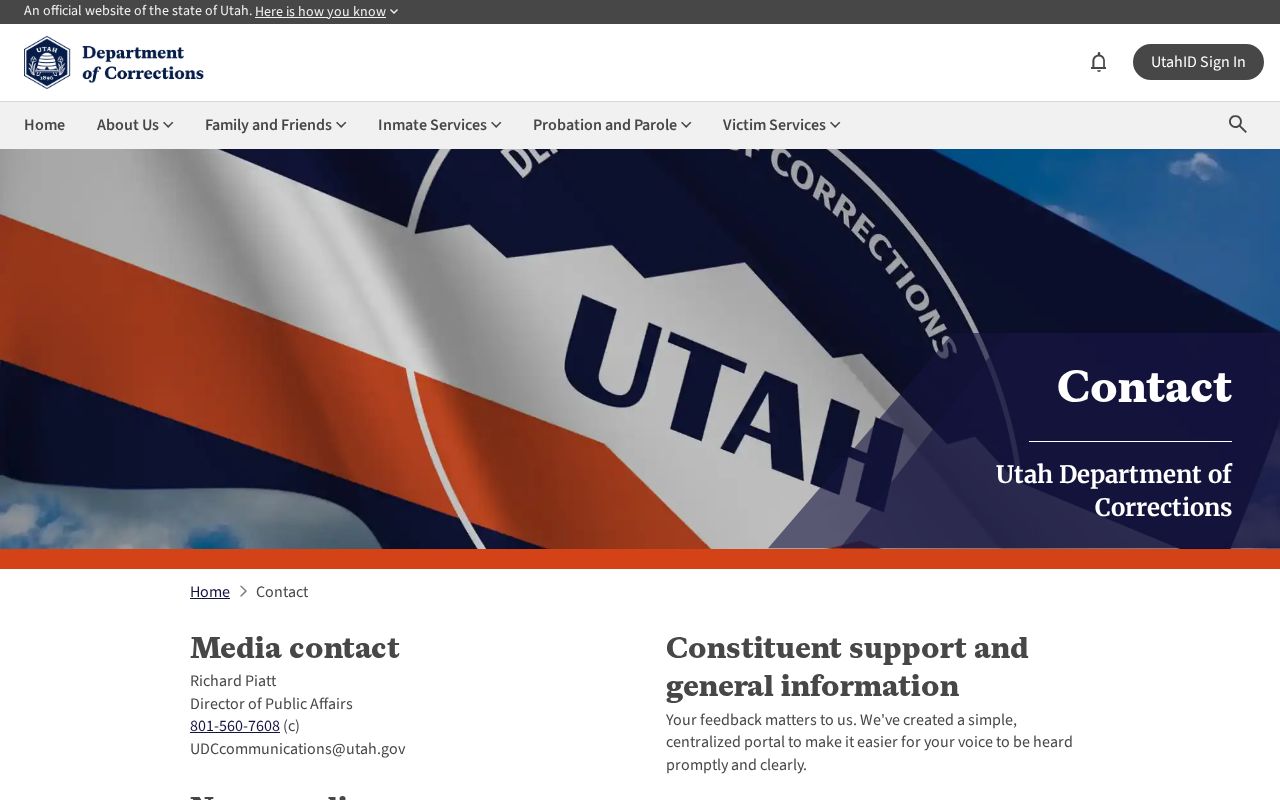
That distinction matters in Garfield County: AP&P handles supervised registrants, while the sheriff's Panguitch desk serves those who report locally.
Utah Offender Registry Searches
The live Utah interface was bot-gated during research, so its full set of controls could not be verified. Utah Code section 53-29-404 expressly supports a surname search and a ZIP-based area search. Do not assume the site offers a county dropdown, an exact street search, a radius control, or alerts unless the live interface shows those options when you visit. This careful approach avoids turning an unverified control into a promise.
- Open the official Utah notification website and read its current conditions and warning before searching.
- Use a surname or Garfield County ZIP, the two public search keys supported by the governing statute.
- Compare aliases, photograph, physical description, residence information, and offense details before deciding that a listing concerns the right person.
- Read the full profile and its compliance information. If the matter involves another state, repeat the check through NSOPW.
| Field Label | Type | Required | Notes |
|---|---|---|---|
| Surname | Text | Search-dependent | Statute identifies surname as a public lookup key. |
| ZIP code | Text | Search-dependent | Statute supports area searches by ZIP code. |
The registry publication statute is also the best verified record of the public system when automated access is blocked.
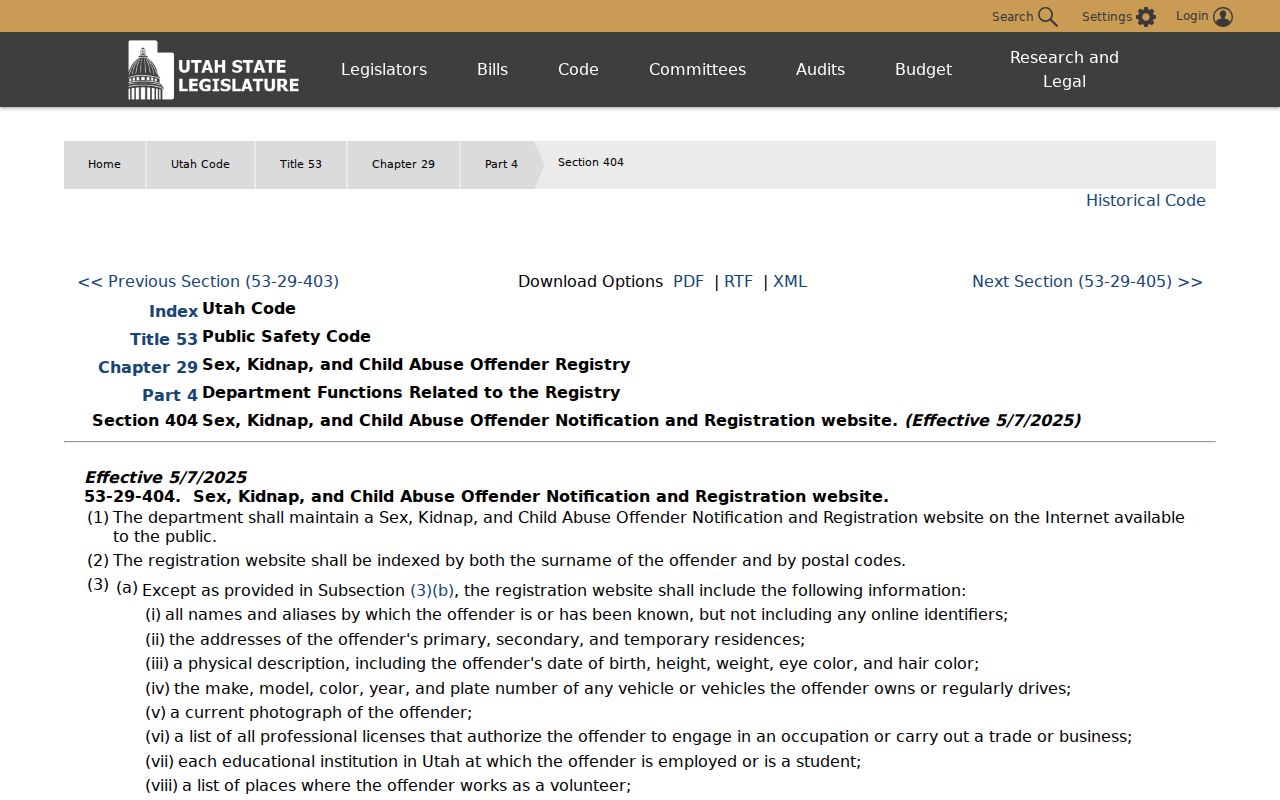
The statute confirms the search keys and public profile categories without exposing or centering any private person's record.
Garfield County NSOPW Registry
A Utah search is one layer. The National Sex Offender Public Website, operated by the U.S. Department of Justice, searches participating public registries across jurisdictions. It is useful when a person has lived outside Utah, when a trip or move crosses state lines, or when a Garfield County result needs context from another jurisdiction. NSOPW does not replace Utah's source profile. Open the state record linked from a national result and read that jurisdiction's own terms.
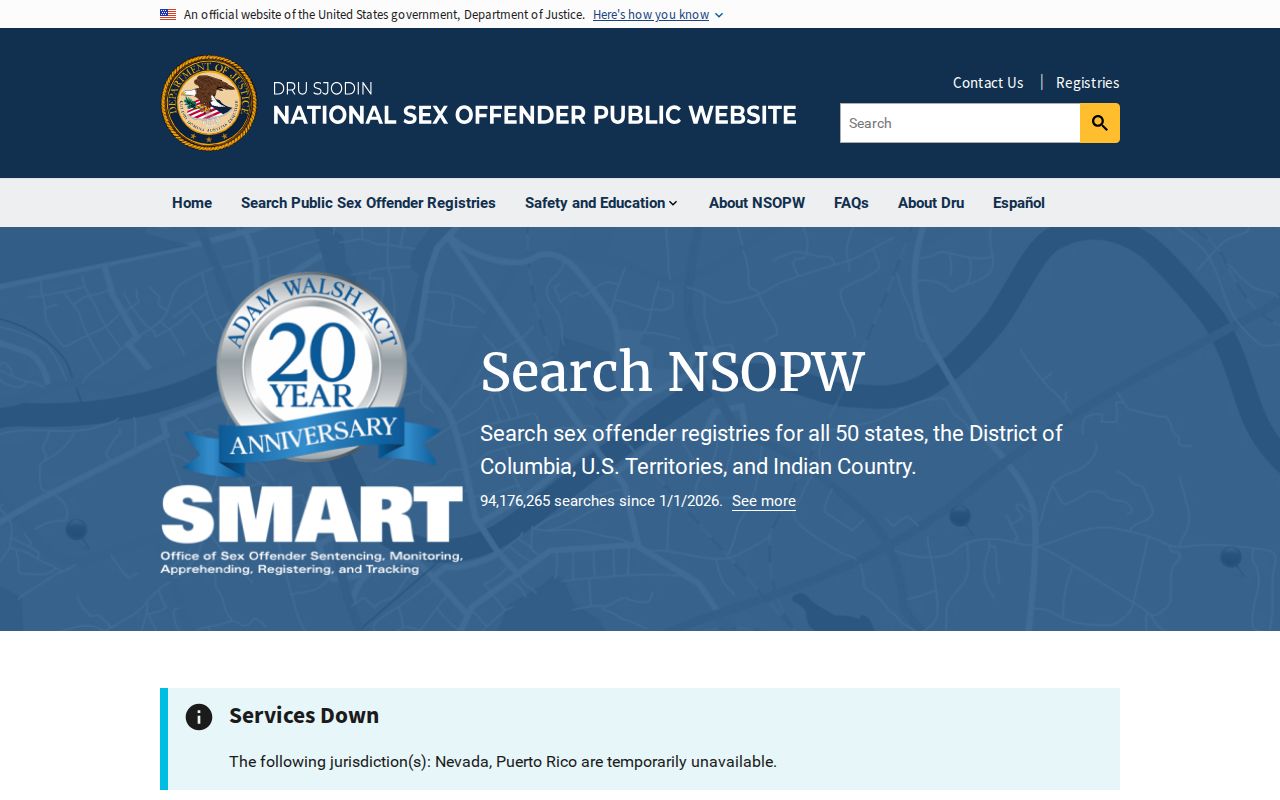
The national view broadens geographic coverage, while the Utah record remains the source for current Utah-published details and warnings.
Neither system proves that a person has no registration duty merely because a name does not appear. Utah distinguishes public and nonpublic information, and search inputs can miss aliases or records from another place. Treat an absence as a search result, not as a legal finding.
Registry Profiles: What They Show
Utah law defines the categories that may appear on a notification profile. The public inventory can include identity traits, a published residence, conviction information, and compliance status. Some data collected for registration is not necessarily shown in the same way to the public. In particular, the exact public display of vehicle or education details depends on the current version and application of section 53-29-404. The profile should be read as a public-safety notice, not as a full case file or complete BCI history.
| Name & Aliases | Published identity and alternate names used to distinguish a person. |
|---|---|
| Photo & Description | Photograph, physical traits, and identifying marks authorized for public notice. |
| Published Residence | The residence information Utah law makes public, which may not equal every address collected. |
| Offense & Conviction | Qualifying offense and conviction information tied to the registration duty. |
| Registration Period | Offense-based ten-year or lifetime duty, not a public risk tier. |
| Compliance | Public status information that can flag whether required reporting is current. |
For the underlying court result, use the clerk or Utah Courts Xchange. Garfield County court case lookup details explain how filed charges, pleas, disposition, and sentence differ from a registry notice.
Garfield County Registry Verification
Utah's schedule is based on a registrant's birth month, not on a local Garfield County sweep calendar. Verification occurs twice each year: once during the birth month and again in the sixth month after it. That repeating cycle is separate from event-based updates. A person may have to report a change before the next routine visit.
Key changes involving residence, work, a vehicle, or education generally must be reported within three business days. Entry into Utah generally carries a ten-day registration rule. Those short deadlines help explain why AP&P and the Garfield County Sheriff's desk need distinct, current information. They also show why an old screenshot should never be treated as a current record.
The Adult Probation and Parole overview describes the state supervision role for people under court- or Board-ordered supervision.
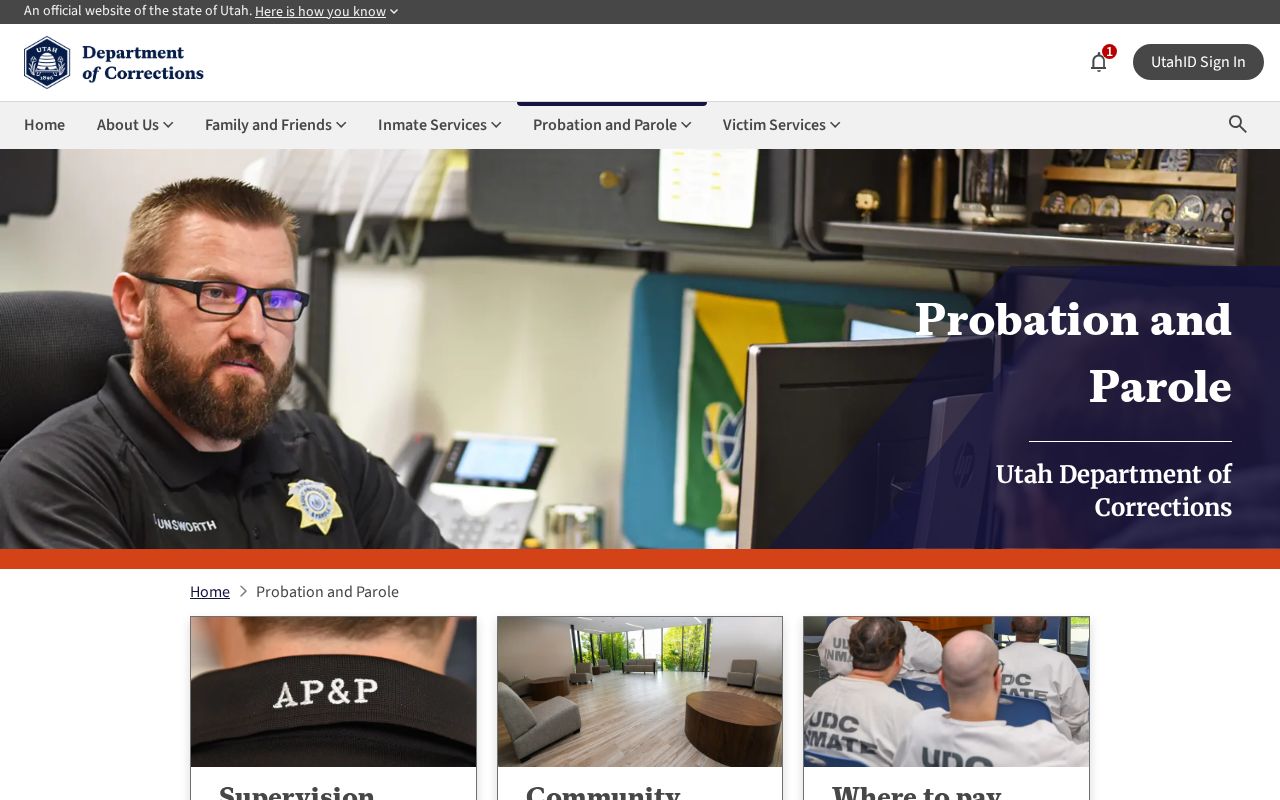
For supervised registrants, that AP&P role explains why the sheriff is not always the correct reporting counter.
Registration Levels and Duties in Utah
Utah does not publish a simple Tier 1, Tier 2, and Tier 3 risk ladder. Registration is offense-based, and the key public distinction is the required period. Some qualifying offenses carry a ten-year term. Others carry a lifetime obligation. The ten-year clock and any path to end a duty depend on the statute and case history, so a person seeking a legal determination should use the official petition process rather than infer an end date from a public profile.
| Utah Period | Duration | Routine Verification |
|---|---|---|
| Ten-year offense-based period | Ten years, subject to statutory calculation and conditions | Twice yearly on the birth-month cycle |
| Lifetime offense-based period | Lifetime unless a statute permits and a court grants removal | Twice yearly on the birth-month cycle |
The table describes periods, not risk scores. Certain ten-year registrants and some people with lifetime duties may have petition routes after the periods set by law, including a twenty-year route in specified cases. A BCI certificate and court review are part of those statutory paths.
Garfield County Registry Offices
Registration and supervision overlap, but they are not the same record system. The Garfield County Sheriff's desk handles local registration for people who are not reporting through AP&P. Adult Probation and Parole supervises probationers and parolees under Utah Department of Corrections. The Utah Board of Pardons and Parole makes release decisions, while AP&P carries out parole supervision. A person can therefore have a public registry profile, a court case, and a separate supervision record with different custodians.
The Utah Board of Pardons and Parole provides the official release-authority context.
This source helps separate release decisions from the sheriff's day-to-day registration work in Panguitch.
Garfield County Registry Residence Rules
No official source in the research established a blanket statewide residence radius or an extra Garfield County distance rule. Utah Code section 53-29-306 addresses restrictions, but it should not be reduced to a made-up one-number buffer around every school, park, or child-care site. Conditions can also arise from a court order, probation, or parole supervision. Those conditions may be narrower or more specific than the public registry.
For that reason, do not use a map pin to decide that an address is lawful or unlawful. The public profile reports notification information. It does not replace the sentencing court's order, AP&P conditions, or advice from a qualified Utah lawyer. This is a common place where broad claims can give a Garfield County reader the wrong answer.
Utah's court-record classification rule explains why not every court detail is open through a public search.
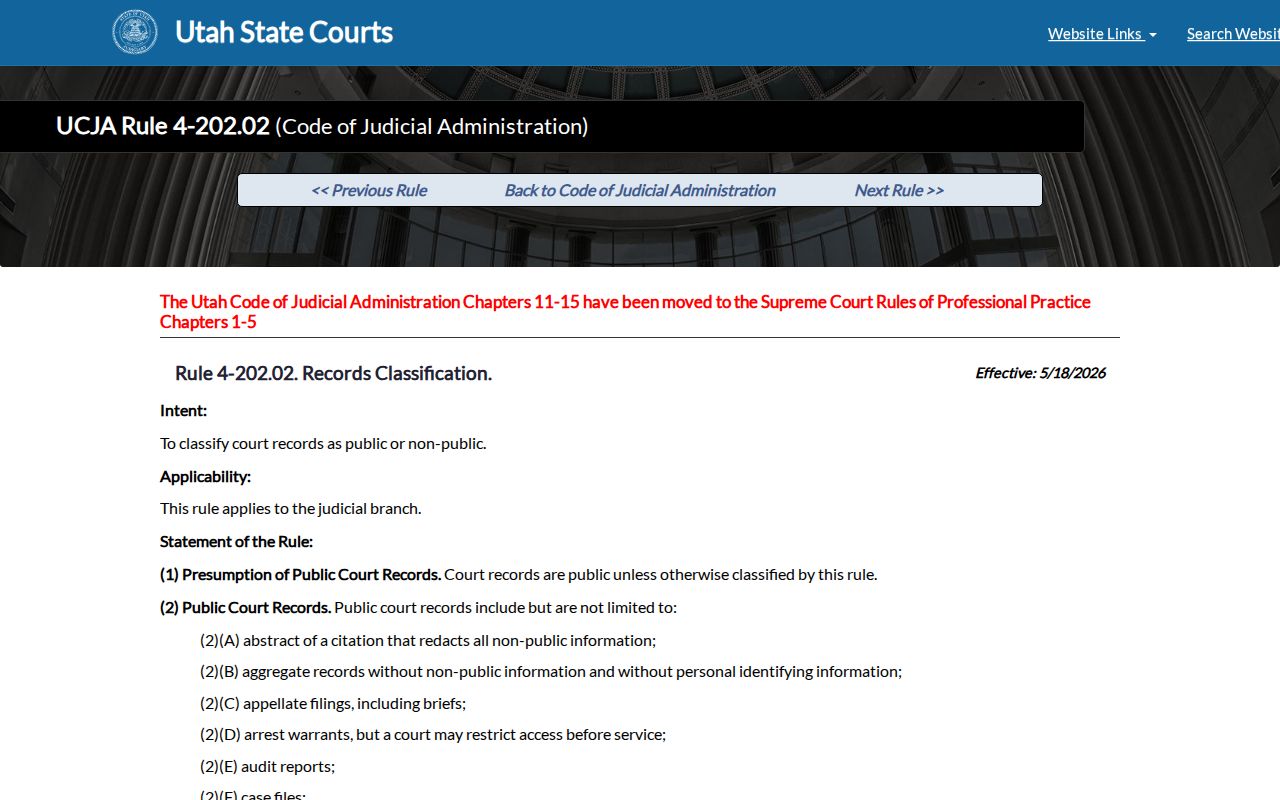
The court rule reinforces the source-by-source approach: a registry notice and a court file answer different questions.
Missing Garfield County Registry Names
A missing name is not definitive. A spelling difference, alias, move, restricted category, data update, or cross-state history can affect what appears. Start by checking the surname and ZIP again. Then use NSOPW for the broader public search. If there is a concrete reason to suspect that a reporting duty is not being met in Garfield County, call the sheriff's registry desk rather than trying to investigate or confront the person.
Public registry data also should not be stretched into a complete criminal-history conclusion. Utah Code section 53-10-108 limits BCI dissemination, and UCJA Rule 4-202.02 controls access to court records. The fact that different systems publish different fields reflects those legal boundaries.
Using Registry Information Lawfully
Utah publishes registry information for awareness and safety planning. Readers may use it to understand public notices, discuss age-appropriate safety steps with family, and check a neighborhood through the official state and national channels. When a profile looks out of date or suggests noncompliance, preserve the public information and contact the responsible office. In Garfield County, use the sheriff's registry desk for a local report. Call 911 only for an immediate threat or emergency.
The official Utah registry warning in section 53-29-404 sets a firm boundary. It directs users toward public safety and away from personal retaliation.
Do not confront or target anyone. Utah Code §53-29-404 warns that using registry information to harass, stalk, or threaten a registrant or another person may violate criminal law. Report suspected noncompliance to the Garfield County Sheriff's Office.